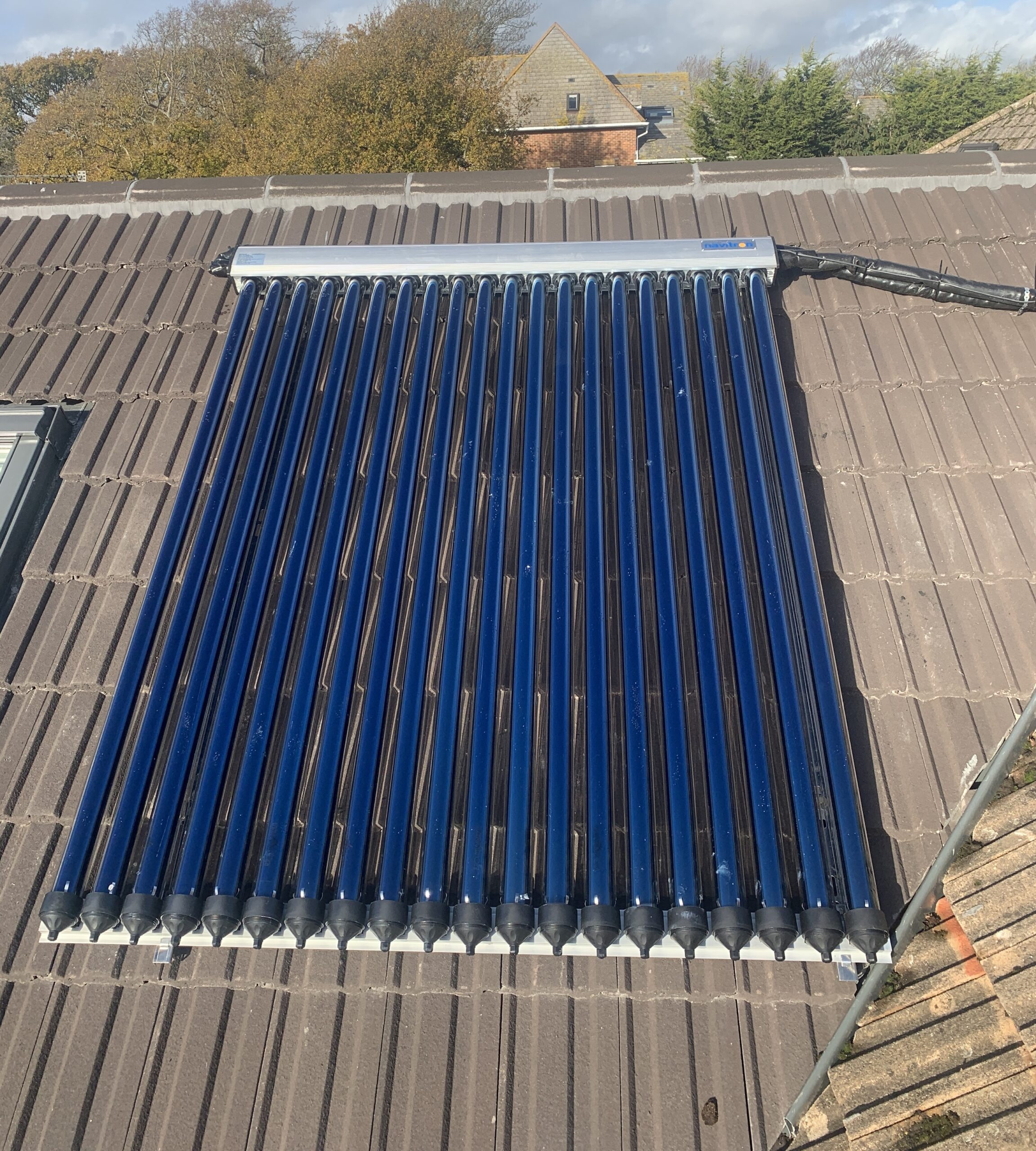
If you’ve been paying any attention to the news, you’ll know what solar PV is. But what about solar thermal? This technology is different because it uses energy directly from the Sun to heat water. Solar thermal is gaining traction for residential heating and/or water because it is simple, efficient, and effective. It’s also useful if you want to save a bit of money and do your part to live more sustainably.
Learn more about what solar thermal energy is and how it works below:
What Is Solar Thermal Energy?
Solar thermal collectors work by absorbing sunlight and using this energy to heat transfer fluid directly into a storage tank. Some collectors are used for swimming pools or air heating. Others are for household water heating, while concentrated solar power systems that use mirrors and parabolic troughs can achieve temperatures of up to 500°C.
Most properties use flat plate collectors. These can achieve the temperatures required for household water heating. By contrast, solar photovoltaics are a bit more complicated because they use semiconductors. These convert photons from sunlight into electrons to form an electric current to power homes.
Ultimately, solar thermal energy is a versatile tool for residential property owners. It’s a clean and sustainable alternative to fossil fuels.
Solar Thermal Hot Water Systems
Solar domestic thermal hot water systems are most effective when used in domestic hot water-applications. Rooftop collectors use sunlight to heat a glycol-water mixture (or water directly) for storage in a water tank. Flat-plate panels are best for sunny climates, while evacuated tube collectors are superior in cold or overcast or regions prone to overcast weather.
Between the storage cylinder there is a series of pumps (for non-passive systems). These transition the water inside the home so that it remains warm while drawing new cooler water into the collectors.
Adding glycol to water is an effective strategy to prevent freezing in the winter. The main benefit of these systems is that they can provide up to 90% of household hot water needs in the summer months. Many homeowners find that they can reduce annual CO2 emissions per year, per standard household, by about 0.5 tonnes.
Solar Heating Systems for Homes
Beyond hot water, it’s also possible to use solar thermal solutions for space heating in homes. These setups can reduce utility bills significantly and be much more efficient than conventional solar photovoltaic panels.
Solar heating systems usually work by pumping roof-heated water into a storage tank. This then feeds into radiant floor systems and central heating units.
Active air solar heating is another possibility. This uses specialised collectors and fans that integrate into HVAC systems.
Finally, some homes use passive solar heating by designing buildings to face south and contain more thermal mass.
Because most of these approaches are water-based, they are often compatible with existing in-home heating systems. This means that they can be fitted at a lower cost without wholesale replacement.
Installation & Choosing the Right Installer
Solar heating system installation comes with various challenges, including limited space for panels and roofing suitability issues. Therefore, it is essential to find qualified professional MCS-accredited installers.
You should use MCS-accredited solar energy installers near me with proper certifications. I want to know they have the right skills to conduct a professional assessment of my property and have suitable training. Training is particularly important when working in shaded areas or when using tilt brackets to optimise sun exposure.
Costs, Savings & Efficiency
Overall, the cost savings from solar thermal panel installation can be substantial. How much you save will depend on the price of installation and your region, but you will usually find that it is significantly less expensive than conventional water heating approaches.
Savings occur in the long-term after you amortise the upfront cost. Make sure you look for incentives if they are available. Sometimes, the authorities will subsidise new solar thermal installations.
Known grant schemes are:
Conclusion
As we have discussed, the benefits of solar and thermal solutions are significant. Not only do they reduce your environmental footprint, but they also cut down on your energy bills.
The only caveat is that you need to check your home’s suitability. For this, we suggest contacting your local installers for an inspection.
FAQs
What is solar thermal energy, and how does it work?
Solar thermal energy works by collecting energy directly from the sun and transferring it to hot water tanks for use in the home.
Is a solar thermal hot water system worth it for homes?
It’s best to get a professional solar thermal hot water system installer to confirm whether such a system would be beneficial for your home.
How efficient are solar heating systems for homes?
Solar heating systems are about 50% more efficient than conventional water heating systems for homes.
What’s the difference between solar thermal and solar PV?
Solar thermal heat uses systems that heat water directly, whereas solar PV converts photon light from the sun into electricity, which can then be used for heating.
How do I find reliable solar energy installers near me?
We are reliable solar energy installers in your area, so give us a call.

